
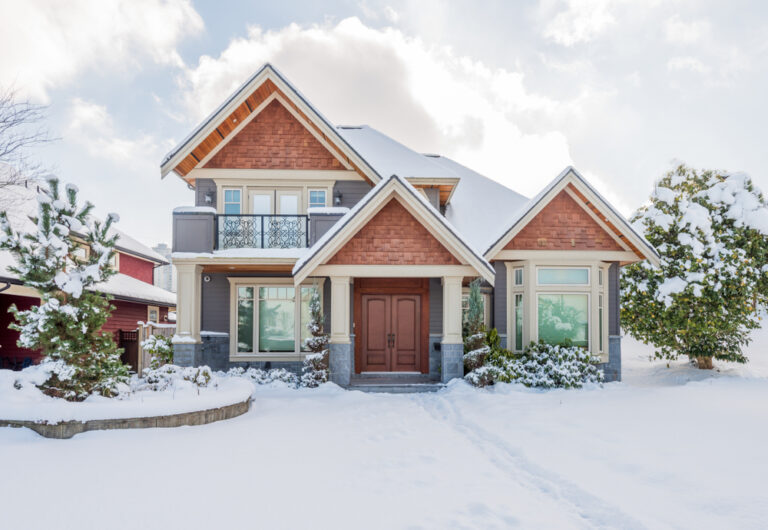
Winter weather can be beautiful, but it also brings challenges for homeowners, particularly when it comes to protecting your roof from the damaging effects of snow and ice. Heavy snowfall and ice accumulation can lead to serious issues like leaks, ice dams, and even roof collapse if not properly managed. Choosing the right roofing material and design can help prevent these issues and keep your home safe throughout the winter months. In this blog, we’ll guide you through the factors to consider when selecting a roof that provides the best snow and ice protection.
Consider the Roof Slope
The slope or pitch of your roof plays a crucial role in how well it handles snow and ice. Roofs with a steep pitch allow snow to slide off more easily, preventing the accumulation of heavy snow and ice. On the other hand, flat or low-pitched roofs are more prone to snow buildup, which can lead to ice dams and added weight stress on the roof.
Choose the Right Roofing Materials
Different roofing materials handle snow and ice in unique ways. It’s essential to choose a material that can withstand the weight of snow and resist ice accumulation. Here are a few common roofing materials and how they perform in winter weather:
- Asphalt Shingles: Affordable and widely used, asphalt shingles are effective at shedding snow, but they can be prone to ice dams if not properly ventilated. Installing a proper underlayment can help reduce the risk of damage from ice buildup.
- Metal Roofing: Metal roofs are one of the best options for snow and ice protection. Their smooth, reflective surface allows snow to slide off easily, preventing the accumulation of ice and snow. Additionally, metal roofs are highly durable and can withstand the weight of heavy snowfalls.
- Slate or Tile Roofing: These materials are durable and can withstand harsh weather, but their weight can make them less ideal for very snowy regions unless properly supported. Tile roofs can also sometimes trap snow, which may lead to the formation of ice dams.
- Wood Shingles: While wood shingles can provide a rustic appearance, they are more vulnerable to snow and ice buildup than other materials and may require extra maintenance in snowy climates.
Ensure Proper Roof Ventilation
Proper ventilation in your attic or roof space is essential in preventing ice dams. Ice dams form when heat from inside the home warms the roof and causes snow to melt. The melted water then runs down the roof and refreezes when it reaches the colder edges, creating a barrier of ice. Without proper ventilation, this cycle of melting and refreezing can damage the shingles, underlayment, and even your home’s interior.
Install Ice and Water Shield Underlayment
An ice and water shield underlayment is a special type of waterproof membrane installed beneath the roof shingles to provide extra protection against water infiltration caused by ice dams or snowmelt. This material adheres directly to the roof deck and creates a waterproof barrier that prevents water from leaking into your home.
Regular Roof Maintenance and Snow Removal
No matter what kind of roof you have, regular maintenance is crucial to preventing snow and ice-related damage. Keeping your roof clear of heavy snow buildup is essential to reducing the risk of ice dams and preventing the roof from becoming too weighed down. This can be done through manual snow removal or with the help of a professional.
Protect Your Roof from Winter’s Harsh Elements
Choosing the right roof material for snow and ice protection is an important step in ensuring your home remains safe and comfortable during the colder months. By considering factors such as roof slope, material, ventilation, and underlayment, you can minimize the risks associated with winter weather and prevent costly damage to your home. Regular maintenance, along with snow and ice removal, will also go a long way in keeping your roof in top condition throughout the winter.
