
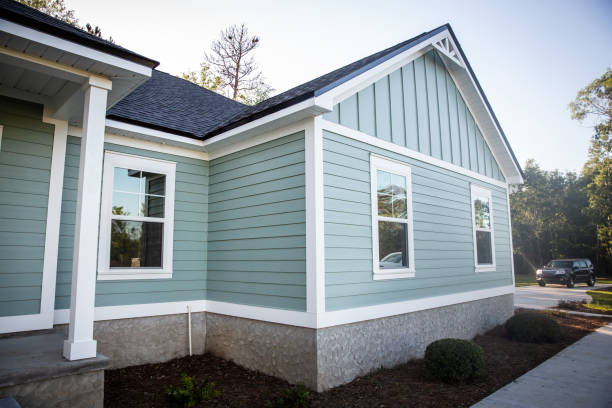
As the seasons change, your roof becomes one of the most important barriers protecting your home from harsher weather. Many homeowners delay roof replacement until problems become unavoidable, but waiting can lead to more damage, higher costs, and unnecessary stress. Late summer is often the ideal time to evaluate your roof’s condition and plan for replacement before fall arrives. Acting early ensures your home is prepared for colder temperatures, heavy rain, and potential storms. Replacing your roof ahead of the seasonal shift not only protects your investment but also gives you peace of mind heading into the months when weather conditions are less predictable.
Avoid Fall and Winter Weather Surprises
One of the biggest reasons to replace your roof before fall is to avoid the challenges that come with colder and wetter weather. Fall often brings increased rainfall, stronger winds, and early freezes, all of which can make roofing issues worse. A weakened or aging roof is far more likely to leak or suffer damage during this time. By replacing your roof in late summer, you reduce the risk of emergency repairs during storms or cold snaps. It also ensures that installation crews can work under safer, more stable conditions, leading to a more reliable and efficient roofing job overall.
Take Advantage of Better Installation Conditions
Roofing projects depend heavily on weather conditions for proper installation. Warm, dry weather allows shingles and other materials to seal correctly, which is essential for long-term durability. In the fall, fluctuating temperatures and moisture can interfere with this process, sometimes leading to installation delays or reduced performance of roofing materials. Scheduling a roof replacement before fall gives contractors ideal working conditions, which can improve the quality of workmanship. This timing also helps avoid scheduling delays, as roofing companies tend to become busier once the season changes and homeowners rush to address weather-related issues.
Prevent Costly Interior Damage
A failing roof does not just affect the exterior of your home—it can also lead to serious interior damage. Small leaks can quickly turn into major problems when exposed to repeated rain or snow. Water intrusion can damage insulation, drywall, ceilings, and even electrical systems, leading to expensive repairs beyond just the roof itself. Replacing your roof before fall helps eliminate these risks by ensuring your home is fully sealed before heavy precipitation begins. It also protects your belongings and preserves the structural integrity of your home, reducing the likelihood of unexpected and costly emergency repairs.
Improve Energy Efficiency Before Heating Season
As temperatures drop, your home’s heating system will begin working harder to maintain comfort. An old or damaged roof can contribute to heat loss, making your home less energy efficient and increasing utility bills. Gaps, poor insulation, and worn materials allow warm air to escape, forcing your heating system to compensate. By replacing your roof before fall, you can improve insulation and ventilation, helping your home retain heat more effectively. This upgrade not only creates a more comfortable indoor environment but also leads to noticeable savings on energy costs throughout the colder months.
Increase Home Value and Curb Appeal
A new roof is one of the most valuable exterior upgrades a homeowner can make. It significantly boosts curb appeal and can increase overall property value. If you are considering selling your home in the near future, replacing your roof before fall ensures your property looks its best during peak real estate seasons. Buyers are often more confident in homes that require fewer immediate repairs, and a new roof can be a strong selling point. Even if you are not planning to sell, the improved appearance and long-term durability of a new roof make it a worthwhile investment in your home’s future.
Ensure Contractor Availability and Better Pricing
Roofing contractors tend to have more availability in late summer compared to the busy fall season. Once colder weather approaches, demand increases significantly as homeowners rush to fix leaks and storm damage. By scheduling your roof replacement before fall, you are more likely to secure your preferred contractor and avoid long wait times. Additionally, some roofing companies may offer more competitive pricing during slower periods, giving you potential cost savings. Planning ahead allows you to choose the right materials, schedule the work at a convenient time, and avoid the stress of last-minute decisions during peak season.
