
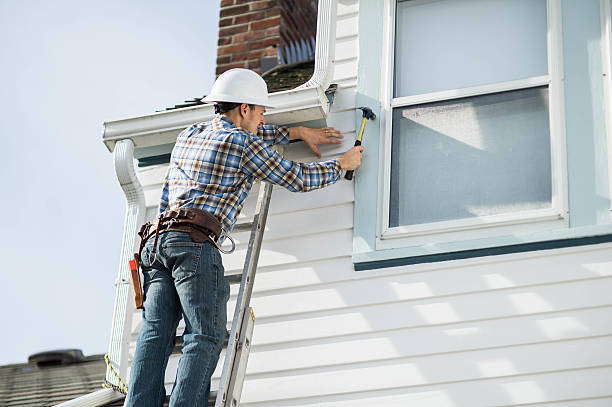
Upgrading your home’s windows is one of the most effective ways to improve comfort, reduce energy costs, and enhance overall insulation. While many homeowners focus on the type of window they choose—double-pane, vinyl, or energy-efficient glass—the installation process itself plays an equally important role. Even the highest-quality window won’t perform well if it’s installed incorrectly. Understanding how window installation affects insulation can help you make smarter decisions and ensure long-term benefits for your home.
Why Proper Window Installation Matters
Correct window installation is crucial because it determines how well the window can create an airtight seal. If gaps, cracks, or uneven placement occur during installation, outdoor air can leak inside, and conditioned air can escape. This leads to higher energy bills and inconsistent indoor temperatures. A properly installed window, on the other hand, ensures that the frame fits snugly in the wall opening and that all edges are sealed tightly. This prevents drafts and helps your HVAC system work more efficiently, ultimately boosting home insulation.
Reducing Air Leakage and Drafts
One of the primary roles of well-installed windows is to minimize air leakage. Even a small gap around a window frame can lead to noticeable drafts that make certain rooms uncomfortable during winter or summer. Proper installation involves using high-quality insulation materials like expanding foam or caulking to seal the perimeter of the window. It also ensures the frame sits level and flush with the wall to prevent hidden air gaps. By reducing drafts, your home stays warmer in the colder months and cooler in the warmer ones, creating a more consistent indoor environment.
Enhancing Thermal Efficiency
Thermal efficiency refers to how well a window prevents heat transfer. The glass type and window design play major roles, but installation determines how effectively they can perform. When a window is installed correctly, it prevents thermal bridging—places where heat can easily move through gaps in materials. Proper flashing, airtight seals, and alignment all contribute to better thermal performance. With improved thermal efficiency, your windows can help maintain comfortable indoor temperatures year-round and reduce the workload on your heating and cooling systems.
Improving Moisture Control
Proper window installation also protects your home from moisture infiltration. When gaps or cracks around the window are left unsealed, rainwater and condensation can seep into the wall structure. Over time, this moisture can lead to mold growth, wood rot, and even structural damage. Skilled installers ensure that flashing and sealants are applied correctly to keep water out and promote proper drainage. By preventing moisture from entering your home, well-installed windows help maintain insulation performance and support a healthier indoor environment.
Supporting Long-Term Energy Savings
Energy-efficient windows are a popular upgrade because they can significantly reduce heating and cooling costs. However, their performance depends heavily on proper installation. A poorly installed energy-efficient window may still allow drafts or lose heat through weak points around the frame. When installed correctly, these windows form a strong thermal barrier that works exactly as designed. Homeowners often notice lower utility bills, reduced energy consumption, and increased comfort almost immediately after a proper installation.
Increasing Overall Home Comfort
Insulation is not just about saving money—it’s also about creating a more comfortable home. Properly installed windows eliminate cold spots near window areas, reduce outdoor noise, and keep indoor temperatures stable. Rooms with improperly installed windows often feel too hot in summer and too cold in winter, creating uneven comfort across the house. Good installation helps every room maintain a consistent, pleasant temperature, making your home more livable and enjoyable year-round.
Boosting HVAC Efficiency
Your heating and cooling system works hard to maintain the temperature you set, but it can only work efficiently if your home is well insulated. Poorly installed windows cause your HVAC system to run longer and more often, especially during extreme weather. This not only increases energy bills but also puts unnecessary strain on the equipment, which can shorten its lifespan. Proper window installation creates an effective thermal envelope around your home, allowing your HVAC system to operate more efficiently and last longer.
Preventing Noise Pollution
Insulated windows can also reduce the amount of noise entering your home, but only if they’re properly installed. Gaps and weak seals allow sound to travel inside just as easily as air or moisture. With well-installed windows, the glass, frame, and insulation materials work together to block unwanted sounds from traffic, neighbors, or outdoor activities. Noise reduction can greatly improve your home’s comfort, particularly if you live in a busy area or near high-traffic roads.
Protecting Your Investment
Window installation is a valuable investment, and proper installation ensures you get the full return. Improper installation can lead to premature damage, reduced energy savings, and additional repair costs. Many window manufacturers also require professional installation for warranty protection. By choosing skilled installers, you safeguard your investment and ensure that your windows perform at their best for years to come.
Final Thoughts
The impact of window installation on home insulation cannot be overstated. Even the most advanced, energy-efficient window won’t deliver its full benefits unless it is installed correctly. From reducing drafts and improving thermal efficiency to preventing moisture damage and supporting HVAC performance, proper installation plays a critical role in keeping your home comfortable and energy-efficient. By investing in both quality windows and expert installation, you create a well-insulated home that provides long-term value, lower utility costs, and a more enjoyable living environment.
