
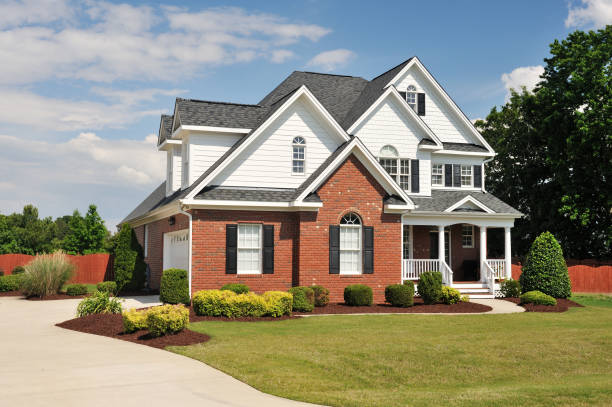
Masonry features such as brick walls, stone patios, retaining walls, and walkways add lasting beauty and structure to a home’s exterior. However, during the summer months, extreme heat, UV exposure, and fluctuating moisture levels can take a toll on these materials. Without proper care, masonry can crack, fade, or deteriorate over time. Understanding how to maintain these surfaces during hot weather is essential for preserving both their appearance and structural integrity. With the right approach, homeowners can keep their masonry looking strong and beautiful throughout the summer season.
Inspecting Masonry for Early Signs of Damage
One of the most important steps in summer maintenance is conducting a thorough inspection of all masonry surfaces. Look for small cracks, loose mortar, discoloration, or signs of shifting. Heat expansion can cause existing weaknesses to worsen, so catching issues early helps prevent more serious damage. Regular inspections allow homeowners to address minor problems before they become costly repairs.
Understanding the Effects of Heat on Masonry
High temperatures can cause masonry materials to expand during the day and contract at night. Over time, this repeated cycle can lead to stress fractures or weakened joints. Intense sunlight may also cause fading in certain types of stone or brick. Recognizing how heat affects these materials helps homeowners take preventative steps to minimize long-term damage.
Keeping Masonry Clean and Debris-Free
Dirt, leaves, and organic debris can trap moisture against masonry surfaces, which may accelerate wear and staining in hot weather. Regularly sweeping patios, walkways, and walls helps prevent buildup and keeps surfaces looking clean. A gentle rinse with water can also help remove dust and pollen that accumulate during dry summer months. Maintaining cleanliness not only improves appearance but also protects the material’s integrity.
Avoiding Harsh Cleaning Chemicals
While cleaning is important, using the wrong products can damage masonry surfaces. Harsh chemicals or acidic cleaners may erode mortar or discolor natural stone. Instead, homeowners should use mild, pH-neutral cleaners designed specifically for masonry. Soft brushes and low-pressure water are typically sufficient for routine cleaning. Proper cleaning techniques help preserve the surface without causing unnecessary wear.
Sealing Masonry for Added Protection
Applying a quality masonry sealer is one of the most effective ways to protect surfaces from summer heat and moisture fluctuations. Sealers help prevent water absorption, reduce staining, and limit damage from UV exposure. Depending on the material, sealing may need to be done every few years to maintain effectiveness. A properly sealed surface is better equipped to withstand harsh environmental conditions.
Managing Moisture Levels Around Masonry
Even during hot weather, moisture can still impact masonry structures. Irrigation systems, rain, and humidity can introduce water that becomes trapped in cracks or joints. Proper drainage around patios, walkways, and retaining walls helps prevent excess moisture buildup. Ensuring that water flows away from masonry surfaces reduces the risk of erosion and long-term damage.
Protecting Against Plant Overgrowth
Vegetation growing too close to masonry can cause problems during the summer months. Plant roots may shift foundations, while vines and climbing plants can trap moisture against surfaces. This combination of heat and moisture can accelerate deterioration. Trimming plants and maintaining a clear buffer between landscaping and masonry helps preserve structural stability and prevents unwanted damage.
Repairing Minor Cracks Promptly
Small cracks may seem harmless at first, but summer heat can cause them to expand quickly. Filling cracks with appropriate masonry repair products helps prevent further deterioration. Addressing these issues early reduces the likelihood of water infiltration and structural weakening. For larger or more complex damage, consulting a masonry professional is recommended.
Protecting Masonry from Direct Sun Exposure
While it is not always possible to block sunlight entirely, adding shade elements can help reduce direct UV exposure. Trees, pergolas, and patio covers can provide partial shade to masonry surfaces such as patios and walkways. Reducing constant sun exposure helps minimize fading and thermal stress, extending the lifespan of the material.
Ensuring Proper Drainage Systems Are Functioning
Drainage plays a critical role in masonry maintenance. Clogged gutters, blocked drains, or improper grading can lead to water pooling near masonry structures. During summer storms or irrigation cycles, this water can seep into cracks and weaken the material. Keeping drainage systems clear and functioning properly helps protect masonry from unnecessary stress.
Using Professional Inspections for Long-Term Care
While homeowners can perform basic maintenance, scheduling professional masonry inspections provides added assurance. Experts can identify hidden issues, recommend repairs, and apply treatments that extend the life of the structure. Professional care is especially valuable for older masonry or large installations such as retaining walls or stone facades.
Maintaining a Consistent Care Routine
Consistency is key when it comes to masonry maintenance. Regular cleaning, inspections, and minor repairs throughout the summer help prevent larger issues from developing. Creating a seasonal maintenance routine ensures that masonry remains in good condition year after year. Proactive care is always more effective and cost-efficient than reactive repairs.
Proper masonry maintenance during the summer heat helps preserve both the beauty and durability of outdoor structures. By inspecting regularly, managing moisture, sealing surfaces, and addressing small issues promptly, homeowners can protect their investment and enjoy long-lasting results. With consistent care, masonry features can remain strong, attractive, and functional for many years to come.
